Built by hackers at Announcement Icon Hack Club

You've already built it.
Now publish it.

Write a technical paper about something you built. We provide structure, peer review, and a path to publish.

Why I'm doing this

Hi! I'm Mat, an indie maker who's into security, embedded systems, and UX.

Lately I've been learning how technical papers and engineering reports actually get written with help from a real researcher. The process is way more interesting than I expected, from coming up with an idea, testing it, writing clearly, and getting drafts picked apart in review.

I figured this would be more fun with other builders, so this program is basically an open invite to come document and publish what you've been building (and get rewarded while you're at it!).

You don't need to be doing academic research. If you're building something interesting and can measure or analyze it, you can probably turn it into a technical paper.

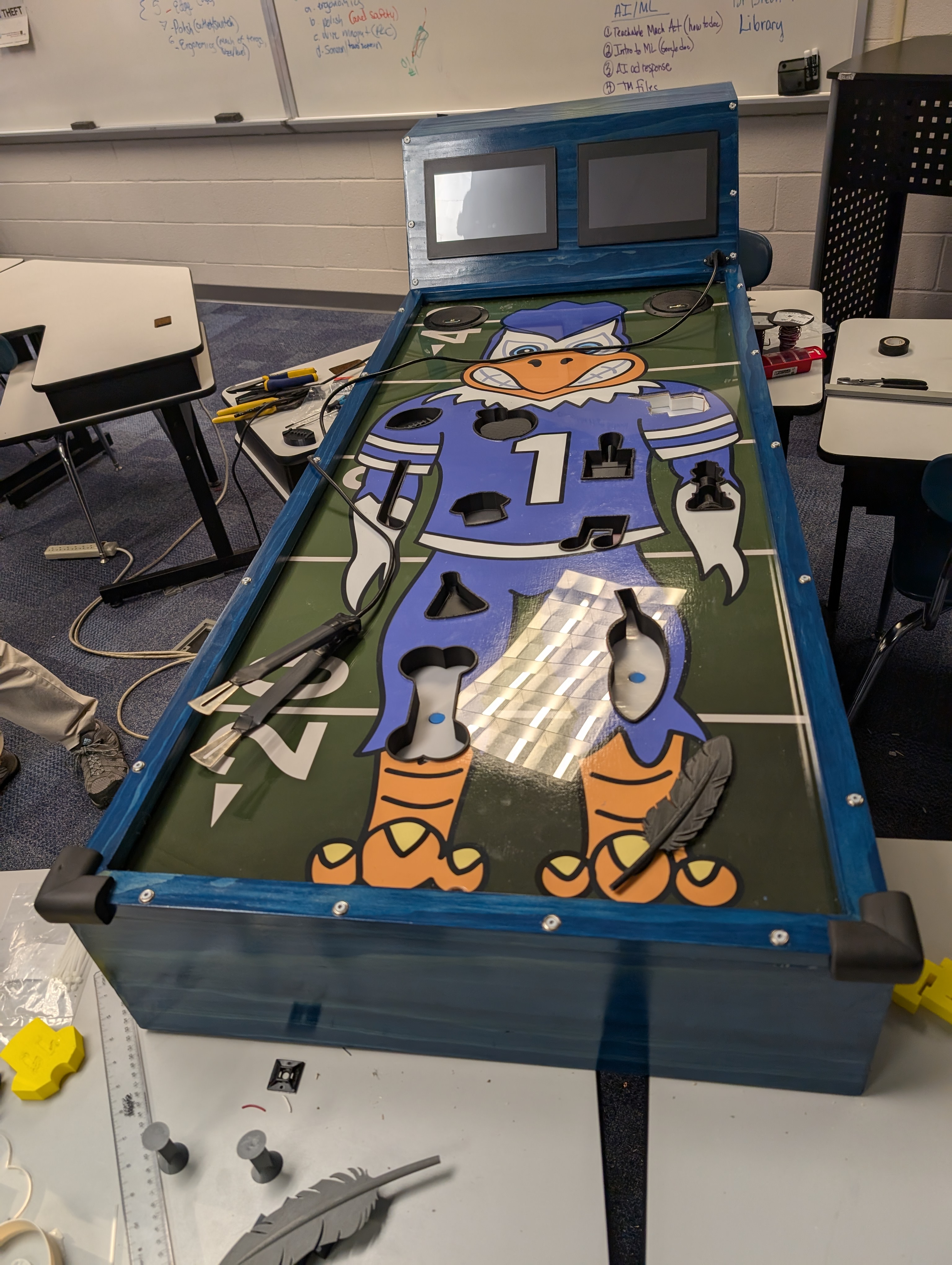
Nanodone project

Tracks

Pick a format, write something, and make it better with feedback.

Blog / Explainer

Great starting point

Explain one technical thing clearly: a system, a decision, or a weird bug you managed to solve.

  • • Explaining a technical concept
  • • A tutorial or guide
  • • Breaking down a technology
  • • Summarizing an interesting idea

Project Postmortem

Write the honest version: what you tried, what broke, what you changed, and what actually worked.

  • • Development timeline
  • • Engineering decisions
  • • Performance comparisons
  • • Lessons learned
Includes timelines, images, data charts, and design decisions.

Whitepaper

Most in-depth track

Go deep on one idea with data, comparisons, and enough detail that another hacker can challenge your conclusions.

  • • Technical comparisons
  • • Algorithm analysis
  • • System architecture studies
  • • Research-style papers
Abstract • Background • Methods • Results • Conclusion

Start in any track. It's probably best to begin with a blog or postmortem, then expand into a whitepaper.

What you'll do

None of the tracks are a formal course. Instead, it's a mini tutorial with a hands-on drafting & collaboration platform which mirrors the real paper-writing process:

Idea

Start with a project or technical concept you want to document.

Abstract Submission

Submit a short abstract. We match you with peers on related topics.

Get free stickers for an abstract submission!

Writing & Exploration

Run experiments, collect data, and write your paper.

Peer Review

Other participants review your work and leave comments.

Revision

Respond to feedback and improve your paper.

Publish

Approved papers are published and shared.

How you'll do it

Your draft might be completely different after review. Abstract will support you throughout the process with:

Writing Tools

Drafting, references, feedback threads, and revision tracking in one workflow.

Peer Collaboration

Review other papers, ask better questions, and improve each round.

Research Guidance

Help with citations, evidence, charts, and clear technical claims.

The Deal

You write a paper about something you built. We provide structure, peer review, and honest feedback.

You Ship

What you put in: writing time, iteration, and useful feedback for other people.

Technical Writing Effort

Write clearly about something you built or understand well:

  • • technical analysis
  • • blog posts
  • • postmortems
  • • whitepapers
  • • documentation

Research & Iteration

Run tests, collect data, and revise as you learn.

Peer Feedback

(Most Important)

Read other drafts carefully, leave real comments, and learn how to respond when people challenge your claims.

In exchange, you'll get:

Exposure

Hack Club will help support your work reaching as many eyes as possible (and optional grants if you'd prefer to do that yourself!)

Publication in the Hack Club Journal

Participants can publish in journal.hackclub.com, an upcoming open-access journal forstudent research including:

  • • open access publication
  • • permanent public archive
  • • community recognition
Submission to Established Venues

Some stronger papers may get help preparing submissions to established research journals like:

  • • ACM (Association for Computing Machinery)
  • • IEEE student publications
  • • technical journals and workshops

or crowd-sourced news sites like:

  • • Hackaday
  • • Traditional magazines

Mentors can help with formatting, reviewer expectations, and picking the right venue.

Hacker News Boosting

Highly polished writeups may be nominated to the Hacker News second-chance pool.

Well-written articles can reach a broader developer audience and spark technical discussion.

  • • thousands of readers
  • • technical discussion
  • • real community feedback
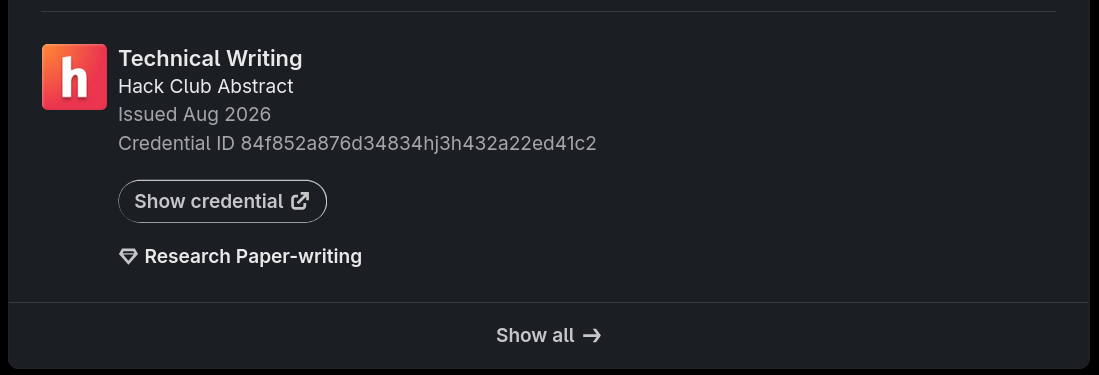
Technical Writing & Research Certification

Participants who finish can receive a LinkedIn-ready certificate for technical writing and peer review.

This certification can be added directly to LinkedIn profiles, resumes, and portfolios.

Mock LinkedIn profile with certificate
Traditional Prizes
Rewards are based on writing effort, review quality, and consistency.

Examples

Real papers by Hack Clubbers. If your paper is anything like these, you should keep reading!

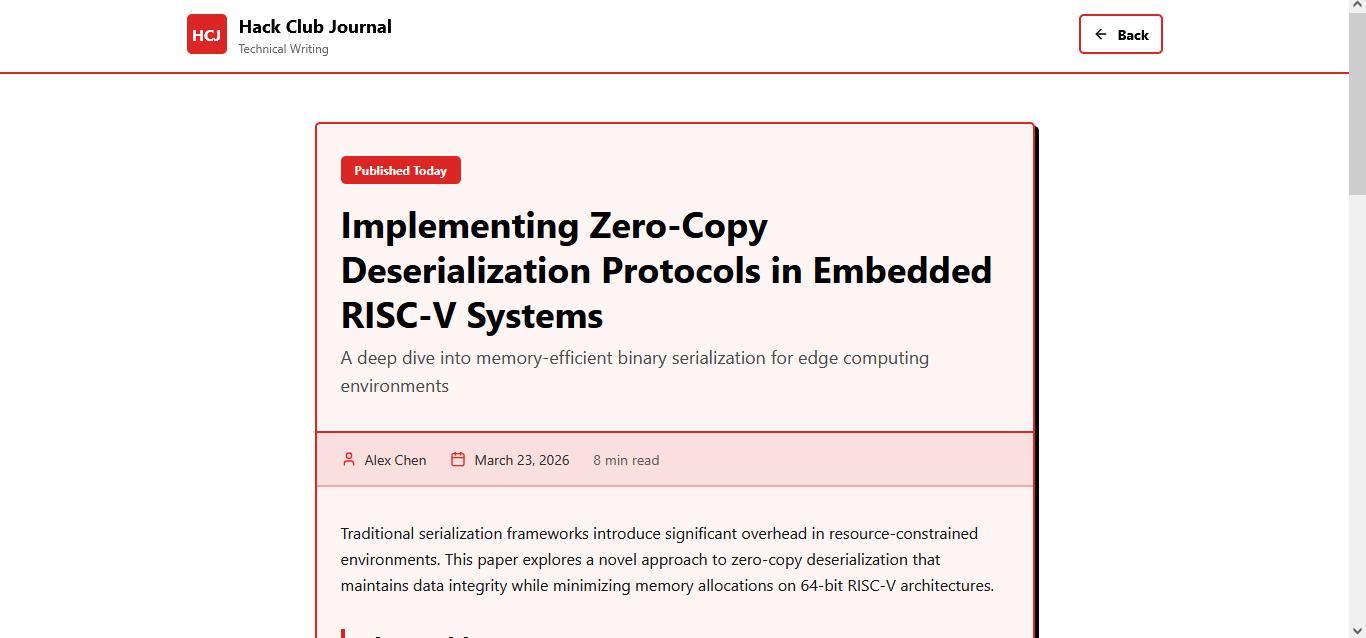
Million.js: A Fast Compiler-Augmented Virtual DOM for the Web

Aiden Bai

Aiden built Million.js, a compiler-optimized virtual DOM library for React. The project was later published in an ACM conference.

Published at ACM

Your Paper Here

Publish a technical writeup about something you built. Get it added here!

Your Turn
Globe image overlay
Plane image overlay

For the very best submissions...

The most polished project + paper combinations may receive an exclusive opportunity to present your publication in person at:

Hackathons

Think MIT Hacks, PennApps, a Hack Club flagship hackathon, or similar events.

Science Conferences

An academic science conference in a discipline relevant to your research.

Expos & Conventions

Examples: DEF CON, React Conf, FOSDEM, etc.

*The exact opportunities depend on paper quality, timing, partnerships, and available grants.

If you build something genuinely interesting and well written, we want to help you show it to the world.

FAQ

Quick answers about how Abstract works.

GET EXPERIENCE•GET EXPOSURE•GET RECOGNIZED•GET ABSTRACTED•
GET EXPERIENCE•GET EXPOSURE•GET RECOGNIZED•GET ABSTRACTED•GET EXPERIENCE•GET EXPOSURE•GET RECOGNIZED•GET ABSTRACTED•